
Starting a startup is, above all, about energy: you focus on the product, customer acquisition, and hiring. Cash flow, expense reports, invoicing? We’ll deal with those later. Except that “later” often comes around too quickly—in the form of an incomprehensible balance sheet, an overwhelmed accountant, or a cash flow you can no longer control.
The good news is that the SaaS ecosystem has come a long way in this area. Today, there are specialized tools designed for small, fast-growing teams that allow you to streamline your financial management without having to dedicate an entire department to it. From business bank accounts to automated accounting, expense management, and recurring billing, every component of your financial stack can be optimized.
In this article, we review the best software solutions for startups that want a clear and reliable overview of their finances without wasting time on overly cumbersome processes.
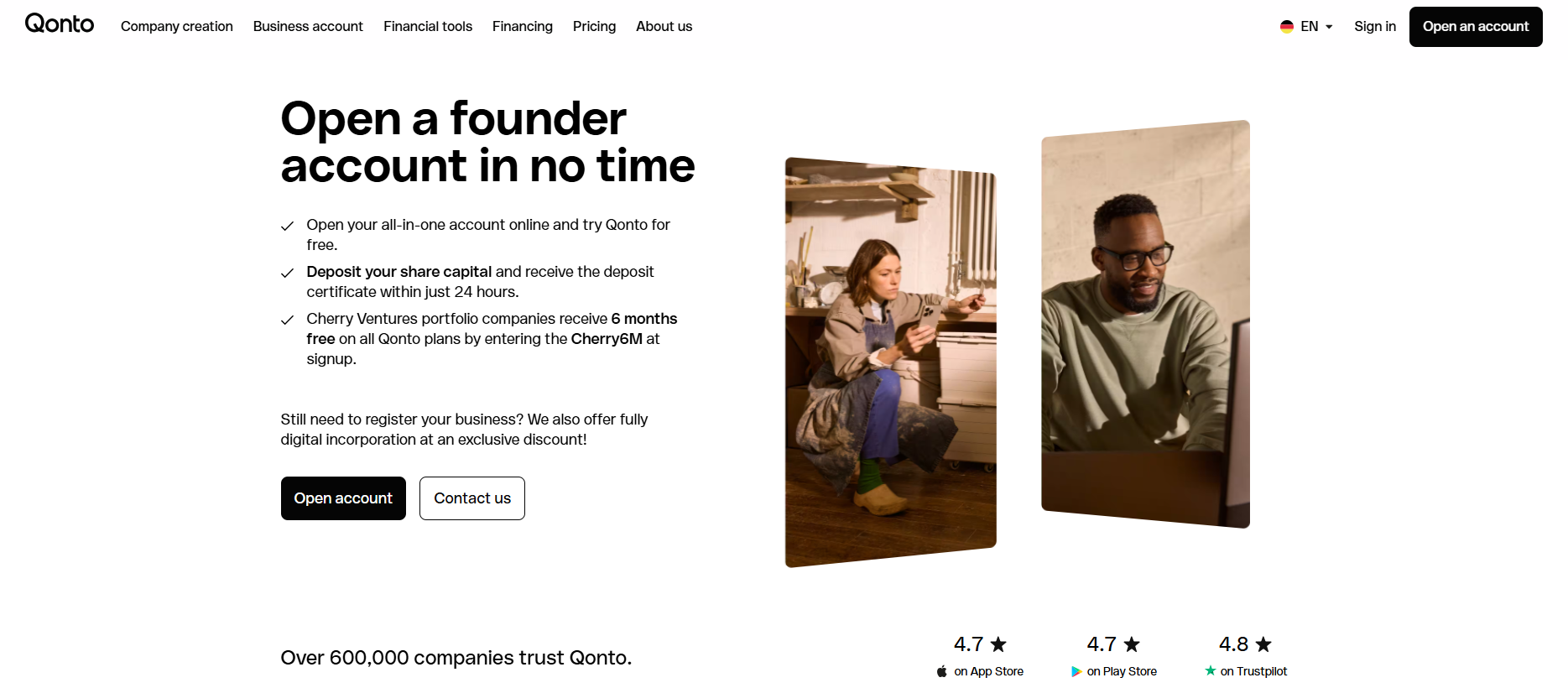
Qonto has established itself as the go-to banking solution for French and European startups. It’s not just a marketing ploy: the platform was truly designed for teams that wear many hats and don’t have time to wait in line at a bank branch.
Specifically, Qonto offers a French or European IBAN, card management (both virtual and physical), payments to suppliers via SEPA transfers, and an interface that allows multiple people to access accounts with different permission levels. It’s this multi-user feature that’s a real game-changer for a startup.
In terms of features, we particularly appreciate the automatic categorization of transactions, accounting exports compatible with the leading software programs on the market, and the built-in expense tracking. All of this is available in a mobile app that covers 95% of everyday needs.
Qonto is particularly well-suited for startups from their very first weeks of operation, even before their first round of funding. It’s also a solid choice for founders who want to avoid the hidden fees charged by traditional banks and who need to quickly onboard a CFO or an external accountant to their platform.

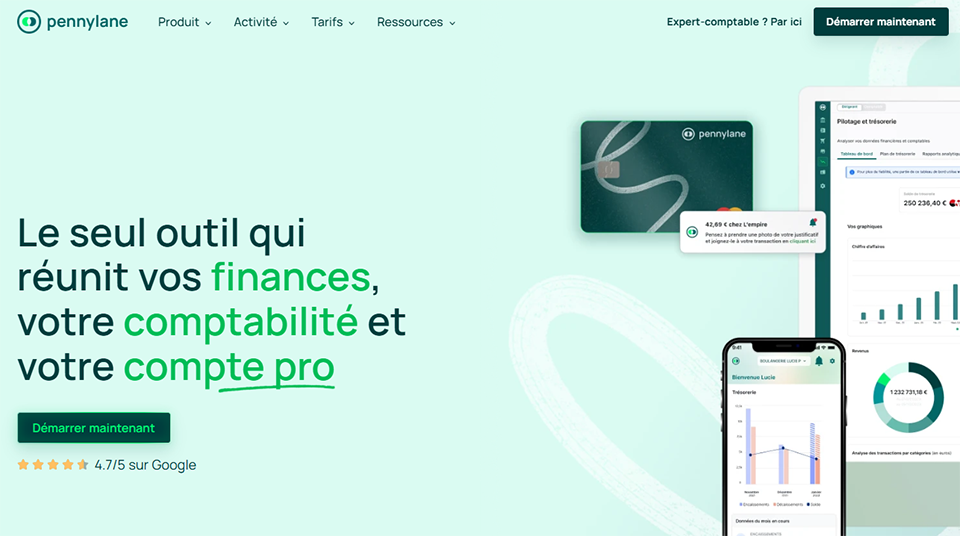
Pennylane has clearly identified a very real problem: accounting for startups is often a struggle, caught between an accountant you only see once a quarter and a financial picture that’s always lagging behind reality. Their solution is a platform that operates in real time and works directly with your accountant.
Automatic bank synchronization allows you to retrieve all transactions on a daily basis. Invoices received are processed using optical character recognition (OCR), and account reconciliations are performed almost automatically. At the same time, your accountant works in the same tool, which eliminates the need for back-and-forth emails and Excel files shared via WeTransfer.
Pennylane also offers management features: a cash flow dashboard, tracking of incoming payments, and an overview of VAT to be reported. For a startup that’s starting to see some volume, this saves a significant amount of time.
Pennylane is particularly well-suited for growing startups that already have an accountant (or are looking to find one through their partner network) and want real-time accounting insights. Founders who want to manage their P&L themselves without waiting for the quarterly close quickly make it an everyday tool.

As a startup grows, expense management becomes a real issue. Who is authorized to spend what? How can you ensure that SaaS subscriptions are approved? How can you prevent expense reports from piling up during ?
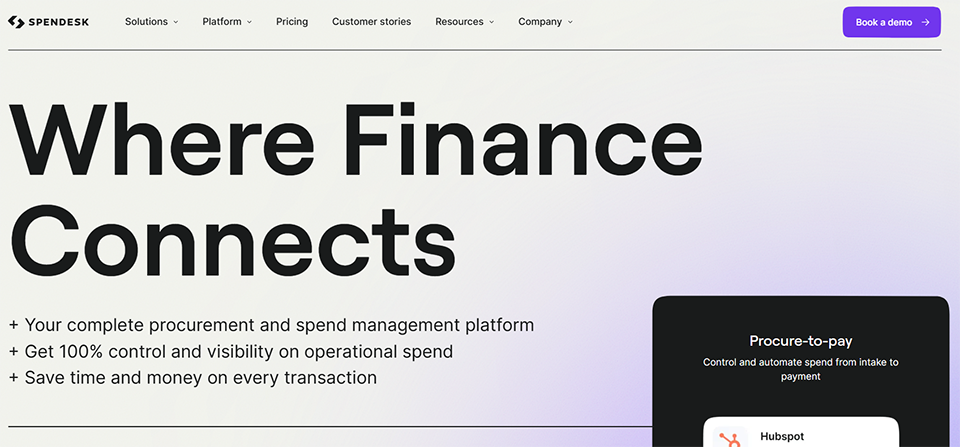
Spendesk was built to address these issues. The platform offers a system of virtual and physical payment cards with pre-allocated budgets per employee or per department. Each expense must be documented with a photo of the receipt, directly from the mobile app. All of this is automatically forwarded to the accounting department.
What really sets Spendesk apart is its approach to approval workflows: you set rules (for example, “above X euros, manager approval required”), and the platform applies them consistently. No more unexpected expenses on the account.
Spendesk is must-have your team grows beyond 5 to 10 people and operational expenses start to pile up. It’s especially useful for startups with sales or field teams that incur regular expenses.

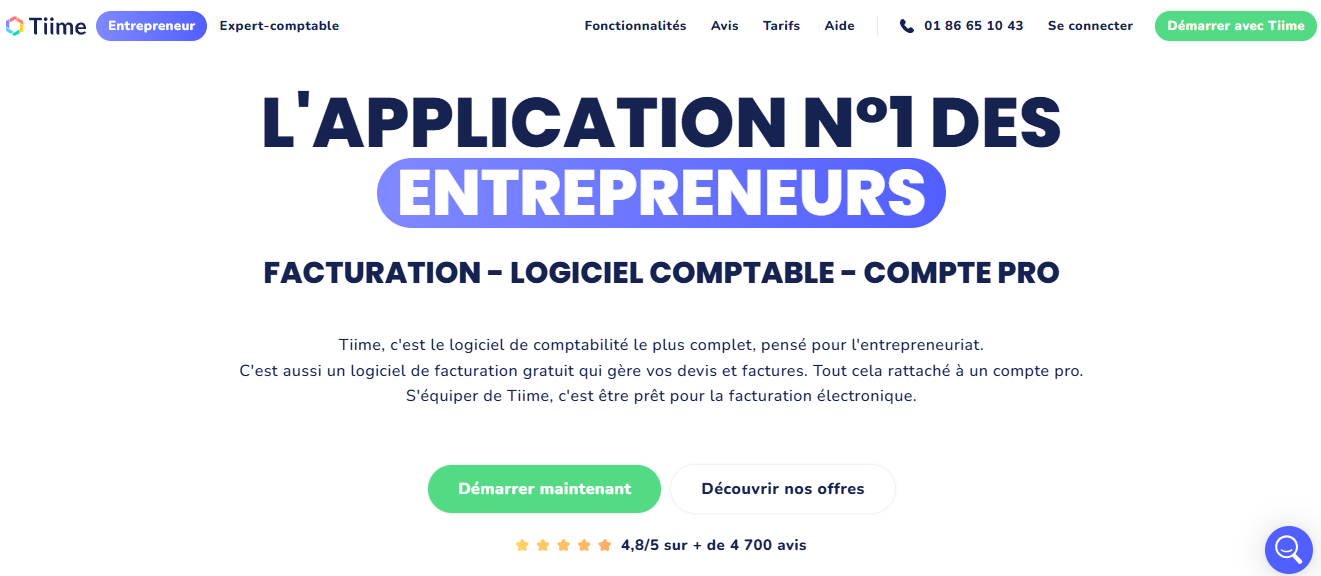
Tiime is clearly positioned in the market segment of freelancers, entrepreneurs small businesses looking to manage their finances from start to finish without having to subscribe to multiple separate services. The solution combines invoicing, expense tracking, bank integration, and accounting preparation.
The interface is designed for non-accountants: you can create an invoice with just a few clicks, record an expense from your phone, and the tool links all these transactions to generate a balance sheet that you can share directly with your accountant. Tiime also offers an integrated business account feature, making it a potentially even more comprehensive all-in-one solution.
It’s worth noting that Tiime also offers a solution dedicated to electronic invoicing, a feature that will become must-have all French companies in the coming years. This is an important consideration that startups preparing for the reform should not overlook.
Tiime is particularly well-suited for solo founders, freelancers transitioning to a business, and small teams looking for a centralized, hassle-free solution. It is less suitable for startups raising funds that need more structured accounting involving multiple stakeholders.

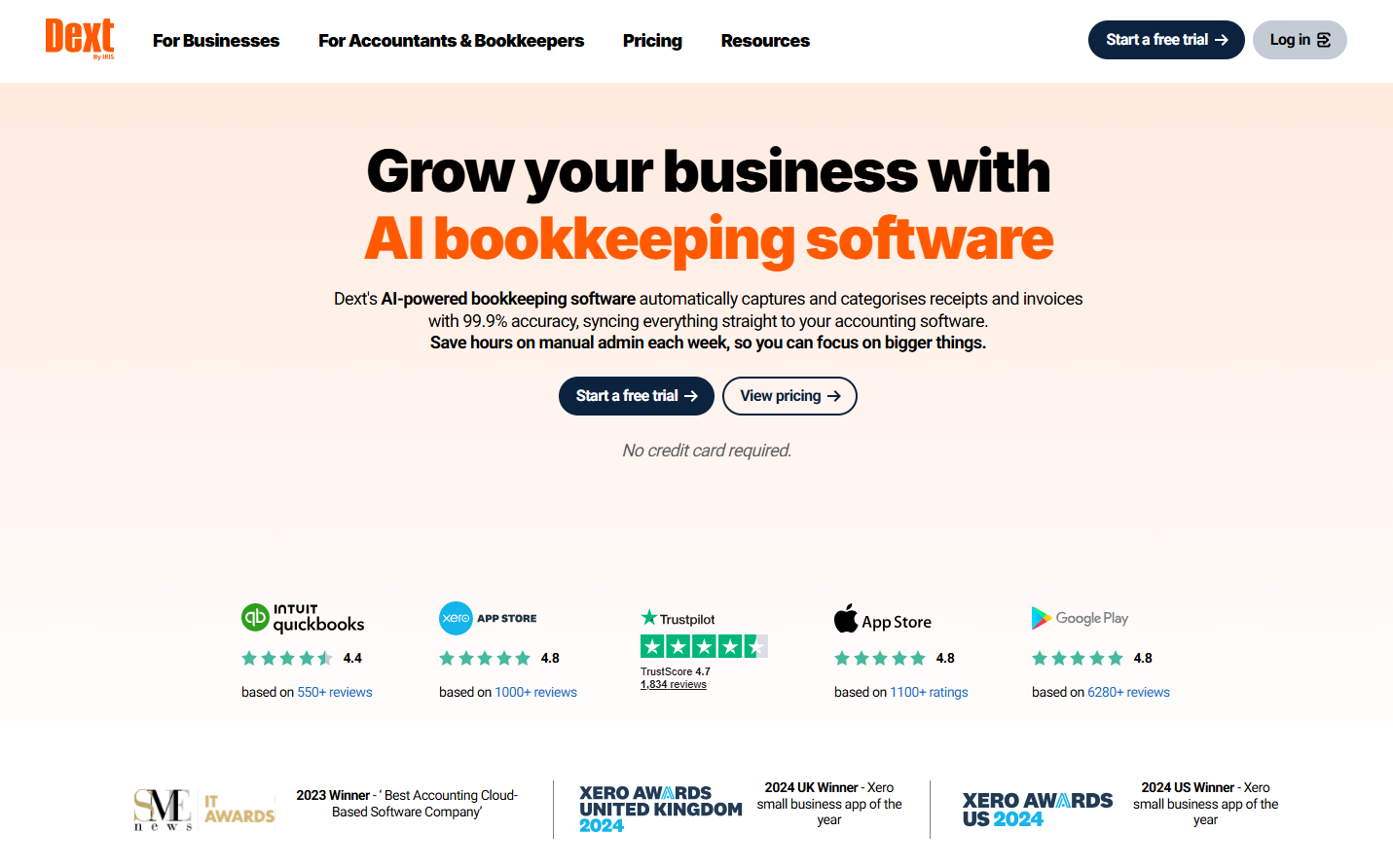

Dext (formerly Receipt Bank) does one thing, but it does it very well: it captures expense receipts (sales receipts, supplier invoices) and converts them into data that can be used for accounting purposes.
In practice, you take a photo of a receipt using the app, and Dext automatically extracts the key information (amount, date, vendor, VAT) and sends it to your accounting software. It sounds simple, but the time savings—given the volume of transactions at a busy startup—are considerable. The tool integrates with most accounting platforms on the market, including Pennylane, Xero, and QuickBooks.
For teams that receive a large number of supplier invoices or whose employees have regular expenses, Dext quickly becomes an essential part of the accounting process.
Startups in the growth phase with high business activity, recurring expenses, or a large volume of supplier invoices. It is also highly valued by accountants who manage multiple client accounts.

GoCardless is a payment infrastructure that specializes in direct debits and recurring payments. For startups with a subscription-based business model, it is often a central component of their financial architecture.
How it works: Instead of manually billing each customer every month, GoCardless automates direct debits via SEPA mandates. Your customers provide one-time authorization, and payments are collected automatically on the scheduled dates. The tool also handles payment failures and sends automatic reminders, which significantly reduces churn caused by billing issues.
GoCardless integrates with tools such as Chargebee, Salesforce, and e-commerce platforms, making it easy to integrate into an existing tech stack.
Essential for SaaS startups with a recurring subscription model, platforms offering monthly billing services, or any organization that wants to collect payments regularly without manual intervention.

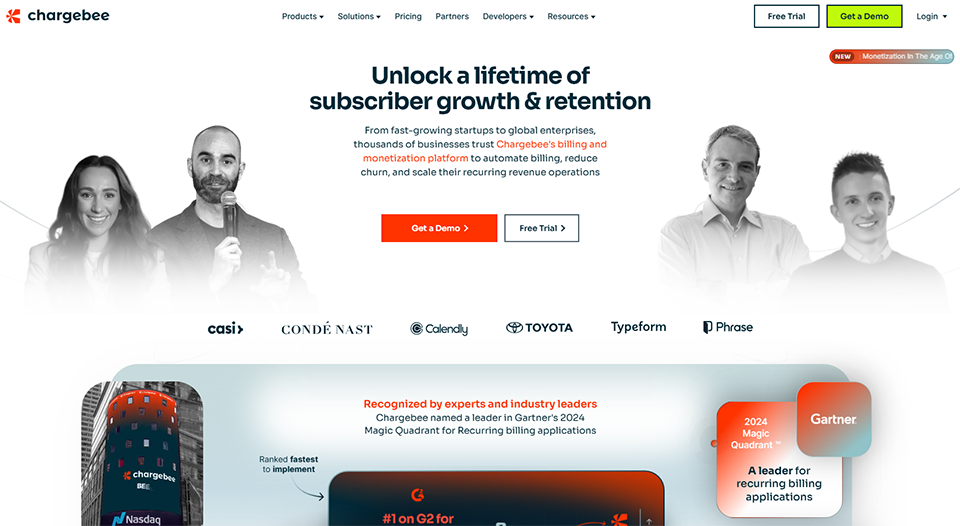
Chargebee is designed for startups with a SaaS product or subscription-based offering that want to manage the complexities of recurring billing without having to build a custom solution from scratch.
The platform covers the management of pricing plans and their changes, customer upgrades and downgrades, coupon and promotion management, automated reminders, and reporting on recurring revenue (MRR, ARR, churn). It is precisely this level of granularity that is lacking when trying to manage these tasks with generic tools.
Chargebee integrates with GoCardless, Stripe, PayPal, and dozens of other tools, allowing it to fit into almost any payment stack.
Any SaaS startup with a freemium model, multiple pricing plans, or that needs to accurately track its recurring revenue metrics. Chargebee is particularly valuable during fundraising rounds, when investors request clear metrics.

Choosing the right financial tools is also a matter of maturity and business model. Here's how to make choices based on your situation.
At this stage, the goal is to have a clean structure without putting too much effort into it. Qonto for business accounts is practically must-have. Tiime or Indy for accounting helps you maintain a clear overview without spending hours on Excel. You can do without Spendesk or Chargebee for now.
Needs are becoming more diverse. Pennylane starts to make sense for organizing your accounting with a CPA. Spendesk becomes useful as soon as the team starts incurring regular expenses. If you’re in the SaaS space, GoCardless and/or Chargebee become part of the stack.
At this level, financial discipline is non-negotiable. The trio of Qonto, Pennylane, and Spendesk covers most operational needs. Dext can be added to automate the collection of receipts. Chargebee becomes essential if recurring revenue is a key metric.
Before diving into this table, a quick note on how these tools complement each other: most of them aren't in direct competition. They address different needs and come together to form a cohesive financial stack.
| Tool | Main category | Key strengths | Ideal for | Freelance Stack Deal |
|---|---|---|---|---|
| Qonto | Business Banking | Multi-user, accounting export, UX | All startups | Voir le deal |
| Pennylane | Accounting | Real-time, accounting collaboration | Startups with an Accountant | Voir le deal |
| Spendesk | Expense Management | Workflows, virtual cards | Teams 5+ | Voir le deal |
| Tiime | Accounting/Billing | All-in-one, simple | Solo founders, freelancers | Voir le deal |
| Dext | Collection of Supporting Documents | Accurate OCR, integrations | Startups with a high volume of invoices | Voir le deal |
| GoCardless | Recurring Payments | Reliability, international coverage | Subscription Plans | Voir le deal |
| Chargebee | SaaS Billing | Native MRR/ARR, Subscription Lifecycle Management | SaaS Startups | Voir le deal |
The prices listed are for reference only and are subject to change. Please check the official websites for the most up-to-date rates.
Below are the most frequently asked questions about financial management for startups and choosing the right tools.
For an SAS, SARL, or any other company, yes: keeping personal and business accounts separate is mandatory from the moment the company is formed. For a self-employed individual, it is not legally required but is strongly recommended as soon as revenue begins to grow. Services like Qonto or Shine let you open a business account in just a few days, without having to visit a branch.
Accounting software like Pennylane or Tiime records and categorizes all financial transactions to generate a balance sheet, an income statement, and prepare tax returns. An expense management tool like Spendesk or Expensify focuses on employee expenses: it allows you to issue cards with spending limits, approve purchases, and collect receipts. The two are often complementary and integrate with one another.
As soon as you have about ten subscription customers and start offering different plans or promotional strategies, a dedicated tool quickly pays for itself in time saved. Before that, a simpler solution like Stripe directly integrated into your site may be sufficient. The most reliable indicator: if you spend more than an hour a week manually managing billing, it’s time to streamline your process.
Most modern tools offer native or API-based integrations with leading accounting software. Qonto integrates with Pennylane, Xero, QuickBooks, and others. Dext connects to virtually all accounting platforms. Chargebee and GoCardless export data that’s compatible with reporting tools. The key is to check compatibility with your accountant before committing to a particular suite of tools.
These tools make accounting work much easier, but they are no substitute for a certified public accountant when it comes to year-end closings, complex tax returns, or advice on legal and financial structuring. The right approach is to use these tools to get a daily overview of your cash flow and automate data entry, while working with an accountant for legal requirements and strategic decisions. Solutions like Pennylane, in fact, were designed to facilitate this collaboration.
Both cover accounting and invoicing, but with different approaches. Tiime is more accessible for sole proprietorships or very small businesses, offering a quick onboarding process and a simplified interface. Pennylane is better suited once you have an accountant you work with regularly and want real-time collaborative accounting. If simplicity is your priority, choose Tiime. If it’s accuracy and collaboration, choose Pennylane.
In France, the electronic invoicing reform is being rolled out gradually and will eventually apply to all VAT-registered businesses in their B2B transactions. Tools like Tiime have already incorporated these features. It is advisable to find out about the deadlines based on your company’s size and to choose compliant tools today to avoid a forced migration later on.